Computer vision has made remarkable progress over the past decade. From identifying defects on factory floors to recognizing faces for secure authentication, machines can now interpret visual information with a level of speed and consistency that was once unimaginable. In 2026, computer vision is powering everything from autonomous warehouses and healthcare diagnostics to retail analytics and smart cities.
Despite these advances, computer vision is not the same as human vision. It excels in structured environments with high-quality data but still struggles in situations that require context, common sense, or adaptability. Understanding both its strengths and its limitations helps businesses deploy the technology where it delivers real value.
What Is Computer Vision?
Computer vision is a branch of artificial intelligence that enables computers to analyze and interpret images and videos. Using deep learning models trained on large datasets, these systems can detect objects, classify images, track movement, read text, estimate poses, and identify patterns that would be difficult or time-consuming for humans to process manually.
Unlike traditional image processing, modern computer vision continuously improves as models are trained on more diverse and representative data.
Where Computer Vision Excels
1. Quality Inspection in Manufacturing
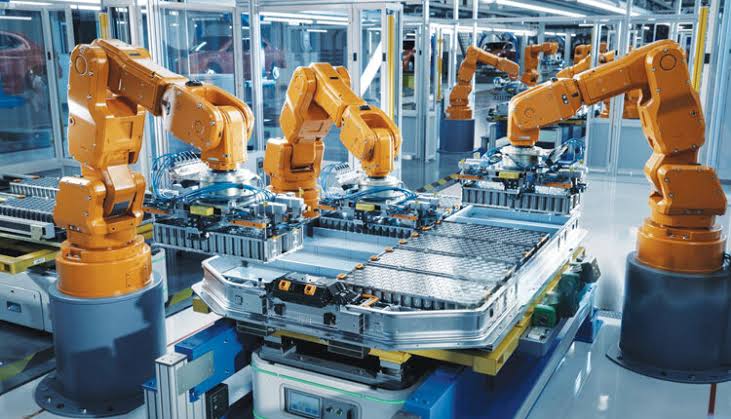
Manufacturers use computer vision to inspect products for defects such as scratches, dents, missing components, or incorrect assembly. Cameras can examine thousands of products every hour with consistent accuracy, helping reduce waste and improve production quality.
2. Medical Image Analysis
Hospitals and diagnostic laboratories use computer vision to assist clinicians in analyzing X-rays, CT scans, MRIs, and pathology images. While these systems do not replace medical professionals, they can highlight areas of concern, prioritize urgent cases, and support more informed clinical decisions.
3. Retail Analytics
Retailers use computer vision to understand customer behavior inside stores. Cameras can monitor shelf inventory, identify out-of-stock products, analyze foot traffic, and optimize store layouts. Some retailers also use vision systems to enable faster, cashier-less checkout experiences.
4. Logistics and Warehousing
Distribution centers rely on computer vision to identify packages, scan barcodes, verify shipments, and guide autonomous robots. These systems improve inventory accuracy while reducing manual handling errors.
5. Traffic and Transportation
Cities and transportation agencies use computer vision to monitor traffic flow, detect accidents, recognize license plates where permitted by law, and improve public safety. Intelligent traffic management systems help reduce congestion and optimize signal timing.
6. Agriculture
Modern farms use drones and smart cameras to monitor crop health, detect pests, estimate yields, and identify irrigation issues. Early detection enables farmers to take targeted action, reducing waste and improving productivity.
Where Computer Vision Still Falls Short
1. Limited Contextual Understanding
A computer vision model can identify objects in an image but often lacks an understanding of the broader situation. For example, it may recognize a bicycle, a pedestrian, and a parked car, yet fail to infer that a child is about to ride into the street.
Humans naturally combine visual information with experience and common sense. Machines still struggle with this type of reasoning.
2. Sensitivity to Environmental Conditions
Lighting, weather, shadows, reflections, motion blur, and camera angles can significantly affect performance. A model trained under ideal conditions may struggle when deployed in dim lighting, heavy rain, fog, or cluttered environments.
Maintaining accuracy often requires retraining models with more diverse data.
3. Bias in Training Data
Computer vision systems learn from the datasets used to train them. If those datasets lack diversity or contain biases, the models may perform poorly for certain objects, environments, or demographic groups.
Organizations must invest in representative datasets and continuous model evaluation to reduce these risks.
4. Difficulty with Rare or Unexpected Events
Most models perform well on scenarios they have seen during training. However, unusual situations—such as damaged products with uncommon defects, unexpected obstacles, or previously unseen objects—can confuse even advanced systems.
This makes human oversight important in high-stakes applications.
5. Privacy and Ethical Concerns
The growing use of cameras raises important questions about privacy, consent, and responsible data use. Organizations deploying computer vision should establish clear governance policies, comply with applicable regulations, and be transparent about how visual data is collected, stored, and processed.
6. High-Quality Data Requirements
Computer vision systems depend on high-resolution images, reliable cameras, consistent labeling, and carefully curated datasets. Poor data quality often leads to unreliable predictions, regardless of how advanced the underlying AI model may be.
Best Practices for Successful Deployment
Organizations can improve outcomes by following several best practices:
- Clearly define the business problem before selecting a solution.
- Use diverse, representative training data.
- Test models in real-world operating conditions.
- Monitor accuracy after deployment and retrain when needed.
- Keep humans involved in critical decisions.
- Implement strong data governance and privacy protections.
These practices help ensure computer vision systems remain accurate, trustworthy, and aligned with business objectives.
The Future of Computer Vision
Computer vision is becoming more capable through multimodal AI, which combines images with text, audio, and sensor data to provide richer understanding. Advances in edge computing are also enabling real-time image analysis directly on cameras and devices, reducing latency and improving privacy.
Future systems are expected to become more adaptable, requiring less labeled data and handling unfamiliar situations more effectively. However, achieving human-level visual reasoning remains a long-term challenge.